
Gold has withstood the test of time, with its demand spanning civilizations and conflicts. It’s the ultimate medium of exchange that shields investors from inflation and has the potential to beat the S&P 500 during periods of economic uncertainty.
But does its performance vary if the President of the US is a Democrat or a Republican? In this article, we’ll explore how precious metals have performed under previous Democrat’s presidencies.
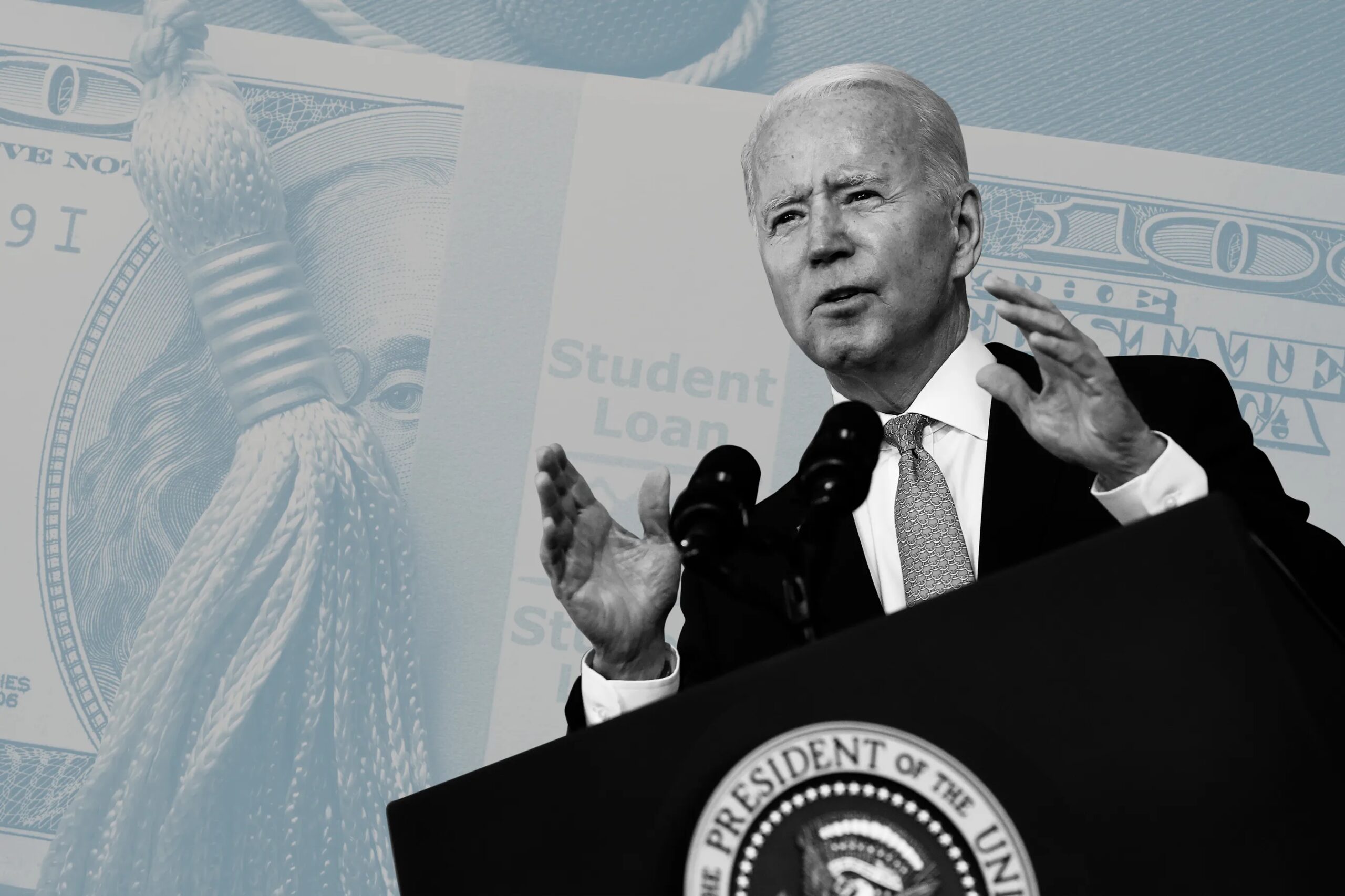
How gold performed during Biden’s presidency
Despite its price surge in 2024, gold did not perform well for most of Biden’s presidency. The physical asset lost 3.73% in 2021 and gained 2.08% in 2022 before rallying by 13.14% in 2023. While gold got off to a slow start during the Biden administration, the asset’s big year-to-date rally has so far exceeded its gains in 2020 — the best year for gold during Trump’s presidency.
Democrats, historically, have been tied to sizable government spending packages. Policies like the Inflation Reduction Act, while effective in reducing consumer prices, pumped money into the economy and drove up gold prices. However, it has been the Federal Reserve’s monetary policy that has had the most impact on gold prices during the Biden administration.
The Fed hiked interest rates to historic highs in 2022, which put a damper on gold and other precious metals. That’s because gold historically has an inverse relationship to interest rates — when rates rise, gold prices tend to fall.
The central bank’s meetings were must-watch events for many investors as they tried to read the tea leaves after each of Fed Chair Powell’s speeches. The Fed’s rate cuts led to record-high gold prices, which carried into 2025 and 2026.
How other Democrat presidents have impacted gold prices
The three Democrat presidents preceding the Biden Administration were Barack Obama, Bill Clinton and Jimmy Carter. Obama’s presidency saw some of the best years for gold in part due to the administration getting its start during the worst of the Great Recession. Gold soared by 25.04% in 2009 and gained an additional 30.60% in 2010.
However, during Obama’s second term, gold performed poorly from 2013 to 2015, down by a double-digit percentage in two of those three years. That can partially be attributed to an economy that featured low interest rates that set the stage for long-term rallies for stocks.
Precious metals didn’t fare as well during Clinton’s presidency. While gold got off to a good start with a 17.64% gain in 1993, the precious metal never rallied by more than 2% in any of Clinton’s remaining years in the Oval Office. Notably, gold plummeted by 22.21% in 1997 despite a booming economy.
Gold performed the best under the Carter administration, which can be ascribed to high inflation and subsequently high interest rates. Gold rose by 20.43% in 1977, which was its ‘worst’ year under Carter. Then in 1979, as inflation hit 11.35% and interest rates reached 11.70% by the fourth quarter, gold more than doubled its price.The Carter administration concluded before gold plummeted by 32.76% in 1981 after Ronald Reagan took office.
What affects gold prices
Inflation, interest rates and geopolitical uncertainty are three primary forces that impact gold prices. Gold tends to gain value as inflation increases. Inflation reduces the purchasing power of fiat currencies, which investors use to buy gold.
Low interest rates make fiat currencies more accessible, which leads to higher inflation. That’s why economic cycles with low interest rates tend to be more favorable toward gold. However, interest rate hikes decrease the amount of cash in circulation, which has a negative impact on gold prices.
Economic and geopolitical uncertainties also play a role in gold’s price. Economic cycles with greater uncertainty tend to benefit gold investors. Investors tend to put their money into relatively safe assets when the outlook is less certain. Gold can still generate positive returns with less uncertainty as long as interest rates are low or inflation is high.

No responses yet